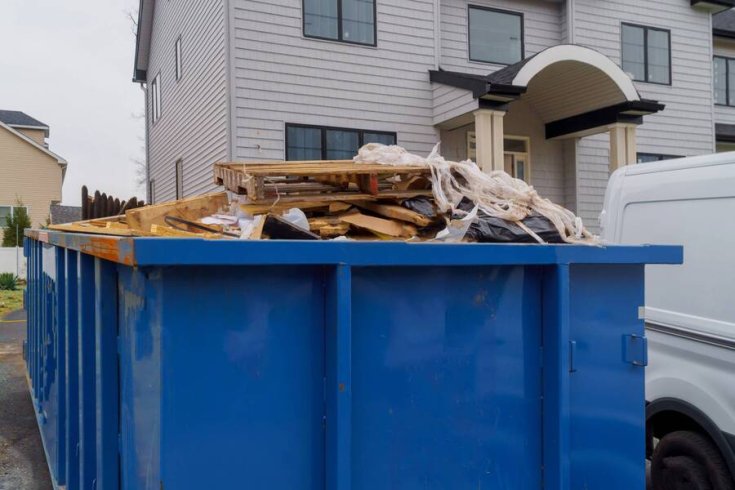
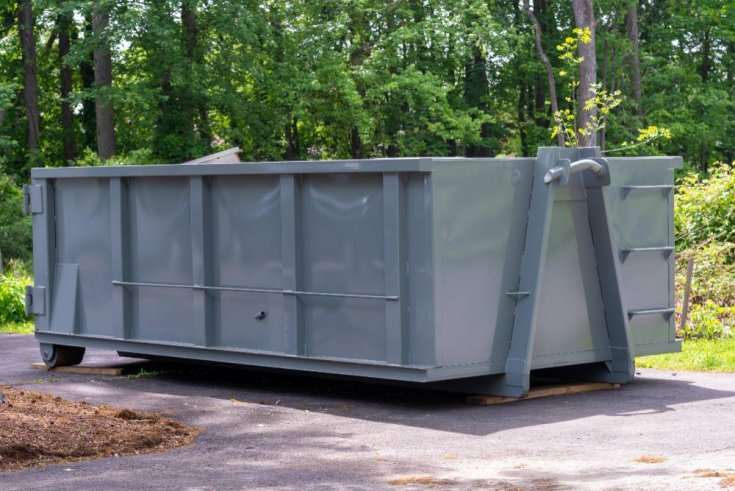
Concrete and heavy debris dumpsters are intended for specific materials. Typically accepted items include:
- Concrete slabs and chunks
- Bricks and cinder blocks
- Asphalt
- Stone and rock
- Dirt and soil
Many providers require clean loads, meaning you cannot mix concrete with wood, metal, drywall, plastic, or household trash. Mixing materials can result in contamination fees because heavy debris is often taken to specialized recycling facilities. Always confirm approved materials before loading the roll-off dumpster.
- Weight Restrictions and Fill Limits
Weight is the primary reason these dumpsters have strict rules. Concrete is extremely dense, and even a small container can become overweight quickly. Unlike standard dumpsters that can often be filled to the top, heavy debris dumpsters usually have lower fill lines.
Overfilling a dumpster can:
- Exceed truck weight limits
- Violate transportation regulations
- Create unsafe hauling conditions
- Lead to additional overweight charges
To prevent these issues, follow the rental company’s fill guidelines carefully. Keep debris level with the container’s designated fill line.
- Even Distribution of Material
Proper weight distribution is critical. Load heavy materials evenly across the dumpster floor rather than piling them on one side. Uneven loading can make lifting dangerous and may damage the container or truck’s hydraulic system. When possible, break down large slabs into manageable pieces to make loading safer and more efficient.
Choose a stable, level surface for dumpster placement. Roll-off dumpsters are extremely heavy once loaded, so soft ground, grass, or uneven surfaces can cause sinking or shifting. A driveway or solid surface is typically recommended. Also, ensure there is adequate clearance:
- Overhead space for the delivery truck
- Enough room for safe pickup
- Clear access without obstructions
Proper placement prevents delays and protects your property from damage.
Even in heavy debris dumpsters, certain materials are not allowed. These may include:
- Hazardous waste
- Chemicals or paint
- Batteries
- Appliances
- Tires
- Flammable materials
Disposing of prohibited items can result in fines or refusal of pickup. Always review restricted materials with your dumpster rental before loading.
- Recycling and Environmental Considerations
Concrete and masonry debris are often recycled into aggregate for new construction projects. Because of this, many rental companies enforce strict separation policies. Keeping loads clean supports recycling efforts and reduces landfill waste. Following guidelines guarantees compliance with local environmental regulations and sustainability standards.
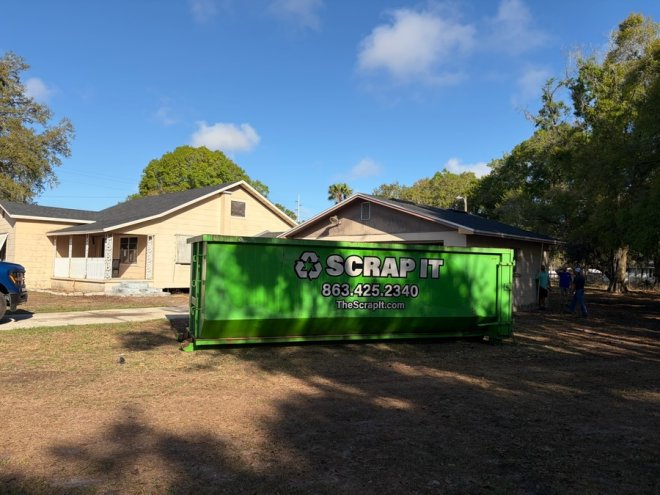
Rent A Dumpster from Scrap It Dumpster
If you’re looking for a top-rated dumpster rental company, trust Scrap It Dumpster. As a reliable service provider with over 20 years of experience, we understand the importance of an effective waste management plan when you are undertaking a home renovation or cleanup project. Our services are designed to meet your needs, whether your regular household waste or heavy debris. We pride ourselves on providing fast delivery, upfront pricing, and flexible options to select from. Contact Scrap It Dumpster today for affordable dumpster rental service.